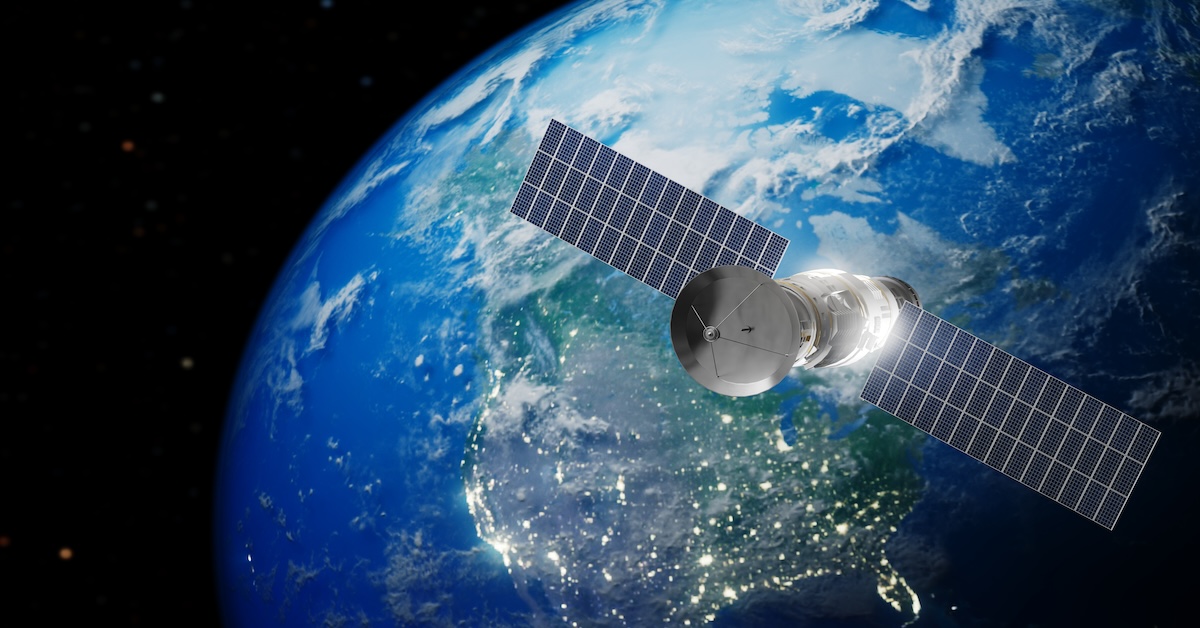
Satellite connectivity is evolving rapidly—and so are the ways enterprises use it. Once considered a last resort for remote locations, satellite is now becoming a strategic part of enterprise WAN architectures. This shift is primarily thanks to two technological developments: the rise of Low Earth Orbit (LEO) satellite networks and the adoption of SD-WAN (software-defined wide area network).
Together, these innovations are redefining what's possible in remote and mobile connectivity, transforming satellite into an active part of the wireless WAN mix. This brings new levels of resiliency, predictability, and performance to the most challenging environments, once plagued by latency, jitter, and network dead zones.
What's changed with satellites
For enterprises operating in remote locations or developing regions, traditional wired and even cellular broadband can be inaccessible. Satellite may be the most viable option—but until recently, it came with trade-offs: high latency, variable performance, and costly bandwidth.
That's changing with the rollout of LEO satellite networks. Unlike geostationary (GEO) satellites, which orbit 22,000 miles (35,405 km) above the earth, LEO satellites operate much closer—approximately 210-340 miles (340-550 km). This significantly reduces latency and increases throughput, making satellite connections suitable for real-time applications such as video calls and cloud access.
But LEO satellite performance can still fluctuate—especially as terminals hand off between moving satellites overhead. When multiple WAN connections are being leveraged, this is where SD-WAN makes a real difference.
Why SD-WAN is a game-changer for satellite
SD-WAN is managed using Ericsson Cradlepoint NetCloud and relies on policies to dynamically route traffic across various WAN links, including fiber, copper, 5G, LTE, and LEO satellite.
SD-WAN continuously monitors each available connection and makes real-time decisions about how to steer traffic based on application needs and link conditions.
Treating satellite like any other wireless WAN link
One of the biggest advantages of SD-WAN is that it manages all links. Whether you're using LTE, 5G, fiber, or satellite, it doesn't matter. SD-WAN treats the LEO satellite just like any other WAN interface. With Ericsson Cradlepoint 5G routers, satellite links are fully integrated into SD-WAN, subject to the same traffic steering, policy enforcement, and monitoring capabilities as other links—boosting both performance and resilience.
Overcoming satellite latency and reliability issues with SD-WAN
SD-WAN uses several advanced features to manage the challenges of LEO satellite connectivity:
- Dynamic traffic steering and path selection
SD-WAN continuously monitors link quality, latency, jitter, and (in wireless contexts) signal strength. SD-WAN automatically steers latency-sensitive traffic to the most responsive link available, avoiding satellite during congestion or delay spikes. - Traffic prioritization
Administrators can configure policies to prevent sensitive applications (such as VoIP or telemetry) from using satellite links unless absolutely necessary. High-latency or metered satellite paths can be reserved for less critical applications, ensuring that priority traffic flows smoothly. - Forward error correction (FEC)
Satellite links have shown packet loss rates of 3–6% in real-world testing. That's a big problem—especially for TCP-based traffic, where packet loss triggers retransmissions that can drastically reduce throughput. FEC helps correct for this by minimizing retransmissions and maintaining application quality of experience (QoE) even across lossy links.
Intelligent link bonding: maximizing resilience and performance
One of the most powerful features SD-WAN brings to satellite is intelligent link bonding. There are three distinct modes of bonding to optimize both uptime and performance:
1. Flow duplication
Critical traffic is duplicated across two links (e.g., 5G and satellite). Whichever packet arrives first is used. This ensures uninterrupted session continuity in the event of loss or delay.
2. Flow balancing
Traffic is distributed based on configurable weights—say, 70% over LTE and 30% over satellite. This enables cost-aware routing while still leveraging satellite for non-critical or overflow traffic.
3. Bandwidth aggregation
For bandwidth-hungry use cases, such as video uploads or large file transfers, multiple links can be combined into a single virtual connection, essentially creating a fatter pipe.
Who benefits most from SD-WAN + satellite?
Industries that operate beyond the reach of traditional networks are already seeing huge benefits from combining SD-WAN with satellite:
– Defense and emergency response: Secure, mobile connectivity for field teams and command units.
– Utilities and smart infrastructure: Monitoring and control in rural and underserved areas.
A new era for satellite with SD-WAN
Satellite networks are entering a new era—and with SD-WAN, so are the enterprises that rely on them. By combining the improved performance of satellites with the intelligence of SD-WAN managed by Ericsson Cradlepoint NetCloud, organizations can finally bring enterprise-grade connectivity to any location.


