Mission-critical communications require FirstNet certified routers for reliable, high-speed cellular connectivity during emergencies
During an emergency, the last thing first responders and public safety agencies should worry about is connectivity for their mission-critical communications. Intermittent network downtime or inability to connect due to unforeseen congestion could hinder their ability to save lives.
To give law enforcement officers, firefighters, and emergency medical personnel access to nonstop, reliable network coverage, the First Responder Network Authority, in a public-private partnership with AT&T, developed FirstNet to provide public safety with dedicated coverage and capacity when they need it most.

Visit Cradlepoint's public safety webpage to learn more about how reliable, secure connectivity can impact public safety agencies nationwide.
The FirstNet network, which supports more than 2.8 million connections nationwide and covers 99% of the U.S. population, provides unique benefits like always-on priority and pre–emption to effectively manage network congestion in times of public emergency. FirstNet gives first responders VIP network access to a high-quality LTE Band 14 spectrum and AT&T’s commercial spectrum by moving or deprioritizing public and commercial users to ensure network availability for FirstNet subscribers.
Although this network primarily offers LTE coverage right now, ultra-high speed 5G coverage is on the horizon for many communities nationwide. Recently AT&T opened access to high-band, mid-band, and low-band 5G connectivity on FirstNet. Currently, there are around 100 markets that have access to 5G on FirstNet — a number that will rise as AT&T rolls out more 5G connectivity.
But utilizing FirstNet requires more than just a subscription and any standard device. To access this dedicated network, public safety agencies and organizations must use devices that meet the unique specifications and requirements of emergency communications — they must be FirstNet certified. These devices include FirstNet mobile hotspots, FirstNet Trusted™ routers and modems, handheld radios and cellphones with FirstNet SIM cards, connected devices in vehicles, IoT, and more.
What’s the difference between a FirstNet hotspot and a FirstNet router?
When discussing the differences between a FirstNet certified hotspot and a FirstNet certified router, it’s important to understand FirstNet certifications, which were created after extensive testing that covered a variety of functions from security to durability. In order to access the FirstNet network, devices must have one of the following certifications:
- FirstNet Trusted™ — cellular hardware, such as sensors, routers, modems, cameras, and other connected devices that are certified to support HPA, all AT&T commercial LTE bands, and Band 14 out–of–the-box and have been tested for security readiness.
- FirstNet Ready™ — phones, tablets, laptops, smartwatches, and consumer hotspot devices certified to support High Priority Access (HPA), all AT&T commercial LTE bands, and Band 14 out–of–the–box.
- FirstNet Capable™— devices certified to support HPA, all AT&T commercial LTE bands, and may require device unlock.
In areas where 5G on FirstNet is available, devices that are FirstNet certified can access the network with either 4G or 5G; however, initially, only some 5G devices can access the FirstNet network on 5G, meaning they must be explicitly listed as 5G supported by FirstNet.
What is a FirstNet hotspot?
A mobile hotspot enables users to create a personal wireless Wi–Fi connection using a small, portable wireless access point. Although primarily built for consumers, hotspots can be certified as FirstNet Capable or FirstNet Ready and allow users to connect around 15 devices to the Internet at the same time over an LTE or, more recently, a 5G connection.
FirstNet hotspots work well for simple deployments with few connections and basic security requirements. For instance, this may include a small agency or department with minimal requirements looking to connect one or two devices, such as a tablet or laptop. But for large-scale deployments that require much more sophisticated network capabilities and advanced network management and control, a FirstNet certified router is the way to go.
What is a FirstNet certified router?
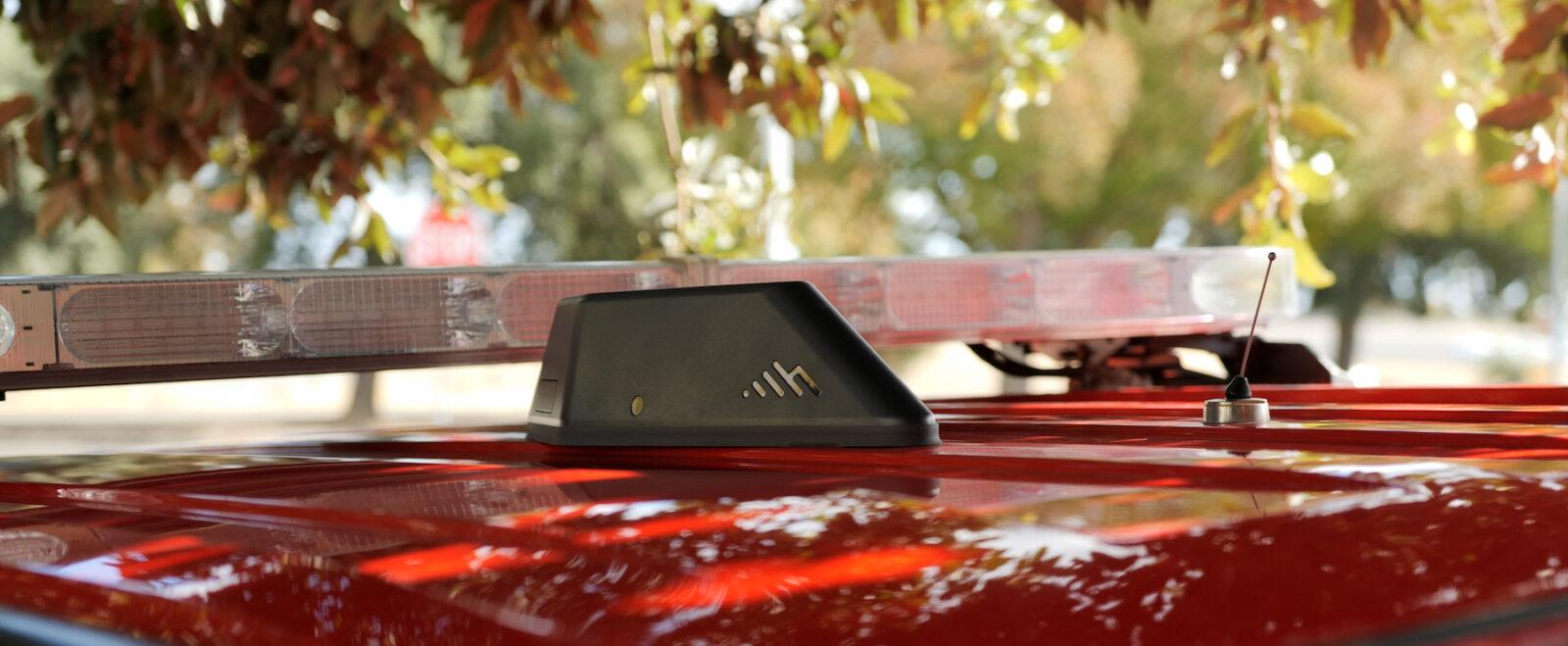
FirstNet cellular routers provide reliable Internet connectivity to enable secure communications across many devices in a large location such as a hospital or in a fleet of emergency vehicles. When designed to meet network requirements, FirstNet routers include key features for public safety applications, including a built-in next-gen firewall and FirstNet priority support that enables IoT technology across a wide area network (WAN).
FirstNet 5G and LTE wireless routers connect each device back to the FirstNet network, providing high-performance, mission-critical communication in emergencies so first responders can perform their duties safely and efficiently.
When to opt for a FirstNet router instead of a FirstNet hotspot
Although hotspots are a fast and affordable option for creating a small network, they provide only basic Wi-Fi and don’t support advanced features such as Wi-Fi as WAN. Additionally, hotspots have limited connection options for antennas, meaning they can often suffer from poor signal strength, which significantly limits performance.
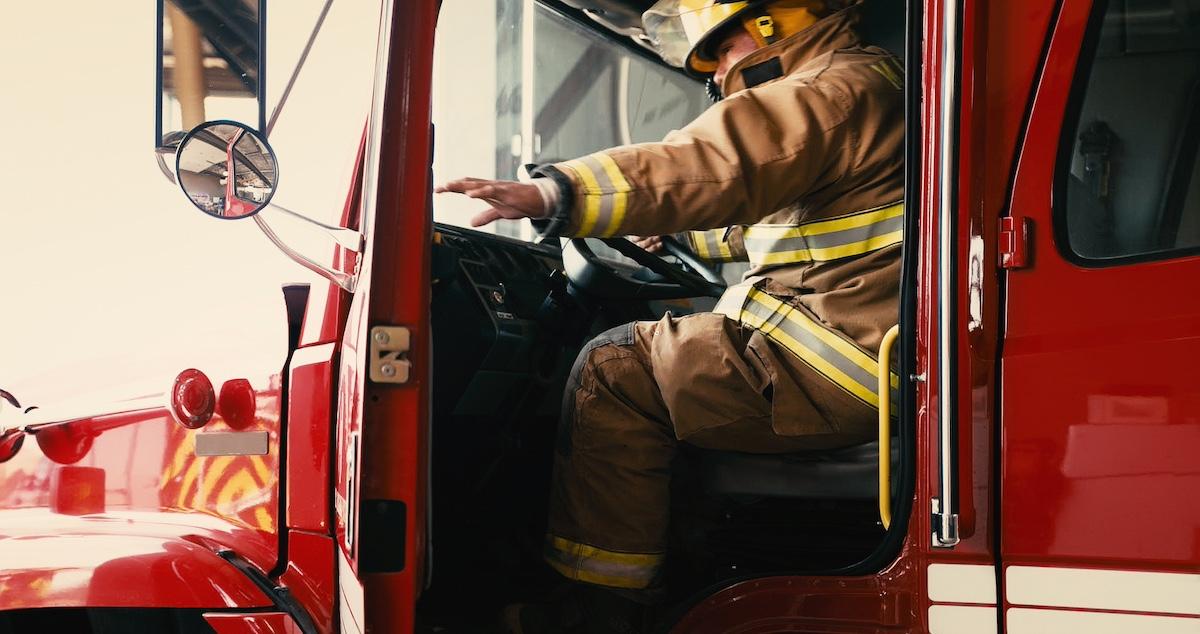
In-vehicle networking — a standard need in modern police cruisers, fire apparatuses, ambulances, and mobile command centers — requires highly reliable, resilient, and agile mobile network connectivity.
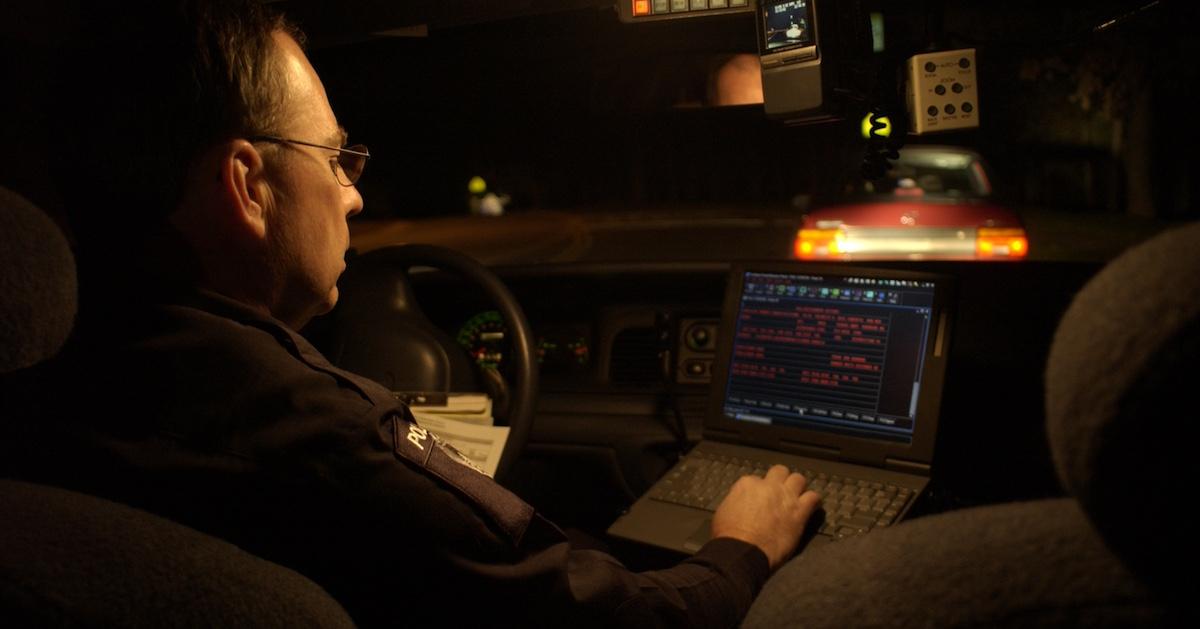
Police cruisers, for example, often have a complex deployment of devices, including a laptop, dashboard camera, license plate reader, and automatic vehicle location (AVL) integration. Given their ability to enable fast, reliable connections, their robust Wi–Fi capabilities, and ruggedized design, routers provide the durability and performance first responders need in critical situations.
FirstNet routers provide advanced network security features
Public safety organizations virtually everywhere have integrated cellular-enabled IoT devices, which collect and exchange large quantities of sensitive data, into their applications — from sensors that offer insight into the vitals of a first responder to cameras that send real-time footage of an incident back to command centers.
But as more IoT devices are connected to a network and the attack surface swells, security becomes a major challenge. Using a FirstNet Trusted device with advanced security features ensures cybersecurity and connectivity requirements are met, so organizations can be confident that their data is protected. This certification considers various factors, including secure by default configuration, system vulnerabilities, data protection, and more.
Although hotspots can be FirstNet certified, they are not FIPS or PCI compliant and don’t have application-aware firewalls, IPS/IDS, or other enterprise-class security features, making them unsuitable for most public safety applications.
Cloud-based management allows for simplified deployment
In public safety applications, simplified network management is key. A department with a large fleet of vehicles needs the ability to manage each FirstNet router remotely. With a FirstNet mobile hotspot, devices are typically managed, configured, and updated individually, which is labor-intensive and unrealistic for fleet management.
Streamlined cloud-based management can help IT teams easily control their network and monitor uptime, security, and cellular reception from a single pane of glass. FirstNet 5G and LTE wireless routers allow public safety agencies to centrally manage their FirstNet devices from a cloud-based platform for centralized configuration and troubleshooting.